Showing posts with label revision. Show all posts

Wednesday, July 24, 2013

The Art of Layering in Our Fragmentary World


Infodumps are evil. Readers hit them, and their eyes glaze over. We’re lucky if they skip over them and keep going. Unlucky if they decide then and there to set the story or book aside.

We writers know infodumps are bad even if we can’t always avoid them in actual practice. Most advice tells us to break up the details and pepper them in the best we can.

Which is a helpful, but I’d argue an incomplete suggestion.

I’ve talked before about my writing process, and how my stories often begin as a skeletal first draft of dialogue and action, then I have to layer in everything else. In this case, layer refers to the iterative passes where I add in setting detail, character blocking, internal thoughts, and other expository “flesh” to the story.

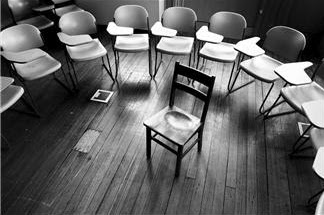
Picture Source

Today I want to focus on the layering in of specific types of information: Description and Backstory.

But first, a digression (because it’s my blog and I can do what I want). Readers have a choice in how they spend their time. Books are in competition with video games, TV and movies, the black hole that is the internet, on top of demands of work and family. This isn’t new. With advances in technology and changes in how people spend their free time, people’s attention spans become increasingly fragmentary.

I have to wonder if this is related to readers’ intolerance with infodumps. They don’t have the patience to wade through them when in the back of their mind, they’re wondering why they’re wasting their time on a boring book when they could be doing X, Y, or Z…

In other words, you need to make your book worth the opportunity cost of other activities.

And that means conveying information in an entertaining way (however defined) all the time. So. Back to layering in details. We’re told to break them up and add them in as necessary, but it should go further than that. Here’s what I strive to do with my words, but your mileage may vary.

Description

Lush description can be wonderful, but so often, such passages have no movement, no underlying action, no impetus forward. It’s a hard balance to strike: having enough detail the reader can visualize your world, but not so much it slows down pacing.

Don’t explain/describe everything at once—Readers can tolerate a certain amount of uncertainty and that can even be a driving motivation to keep them reading. Just be careful to not have too much uncertainty because then curiosity will morph into frustration (and frustration means no more reading).

Readers are on a need-to-know basis—Some grounding details are necessary, but don’t overwhelm or bore them with things that aren’t quite important yet. Granted, there are things you’ll want to sow in to foreshadow or set up subsequent scenes, but you want to strive for natural inclusion, else those details will draw attention to themselves.

Rely on archetypes—Think of these as writerly shorthand. Use them when you want to get across a basic concept: Tree, house, cow, [insert your own noun here]. Most readers will have a mental image of these concepts in their brain. The key is to prime the reader by relying on that mental image, then gradually introducing details that confirm or disrupt that image as you move from a universal concept to a more specific one.

Think telling details—These are details that are evocative and appropriate and important for describing something accurately or setting the tone or establishing voice. But don’t waste words (and your reader’s time) on the obvious. Let the archetype do the heavy lifting, and include telling details as necessary. And sometimes, a tree is just a tree.

Backstory

Also something you’re better off peppering in as needed, this one is particularly insidious for writers because they spend so much time trying to figure out who their characters are and how they came to be that way, that it’s hard for them to decide what is and is not relevant for the reader.

So how do you determine what’s relevant? When the information:

Is key to understanding a character’s reaction/state-of-mind/worldview—This helps the reader identify where a character is coming from and may help to explain why they react in the way they do in the story. A character who has a history of abuse will probably react differently than a character who doesn’t, for example. Think of this type of information as an extension of character development. But extension is an important distinction—character development should be grounded in the story itself, the backstory just provides occasional context. 

Disrupts a character or reader’s assumptions for dramatic effect—Remember telling details? Backstory can function in the same manner, either confirming or clarifying character, or disrupting expectations for a dramatic twist. Look at the way JK Rowling handles Snape’s character in the Harry Potter series for how the judicious application of backstory can be used to increase tension, conflict, drama, and, interestingly, catharsis.

Obviously the worst thing a writer can do is bring a story to a screeching halt in order to convey whatever details are needed. But almost always the reader doesn’t need as much as the author thinks they do to understand what is going on. (This is where trusted readers are worth their weight in gold.)

Character archetypes can also come in handy here (hooker with the heart of gold, sad sack detective, fresh faced apprentice on hero’s journey, etc.) to help the reader tap into unconscious understanding of character—just don’t forget to round them out so they become more than just a caricature as you move from universal archetypes to specific characters only you can create.

***
So remember, less is almost always more, unless it confuses the reader. Strive for clarity above all, and to a lesser extent, Donald Maas’s microtension—those unexpected but revealing details that describe your story world or provide a provocative hint at your character’s past. Such details create curiosity in your reader and serve as minihooks to help your story compete in a media-rich and fragmentary world.

Happy writing!

Wednesday, July 10, 2013

Being Clever versus Being a Good Storyteller


Over the weekend I went to a reading for a local speculative fiction author. In the course of his talk, he said something that resonated with me.

That with his first book series, he was trying very hard to be Clever and write Very Important Stories. But now, a few books later, he’s focused on good storytelling, no matter the milieu he’s working in (I’m paraphrasing here).

I found this to be an interesting distinction he made, and it echoed some of my internal (but not quite fully formed) thoughts about my own work and what I need to be focusing on if I want a career in this field.

Case in point: One of my short stories that I have been submitting since early 2012 has been shortlisted or bumped to the second round at SIX pro or semipro markets. But it still hasn’t found a home, and I have to ask myself why. I’ve settled on the fact that it is my “cleverest” story, given its subject matter. It asks a lot of the reader at the beginning, but it also rewards you once you get to the end. (Yeah, that kind of story.)


The first couple of times it was shortlisted, I chose to be encouraged, thinking I just haven’t found the right market. But after six (six!) times being a bridesmaid, well, I think it’s time to reevaluate things.

Perhaps I’m a little too in love with my cleverness, and as a result, I’ve forgotten the number one reason for writing a story for publication…. Readers.

I’m not saying cleverness is a bad thing. Instead it’s a matter of emphasis.

Putting story and the reader experience first does not mean you can’t also be clever. In fact, being clever in that context can be an amazing thing.

But the flip side? When being clever is your primary goal, sometimes to the exclusion of all else? That’s where you tend to lose people. (A semi-related aspect of this is when beautiful writing overwhelms a story to its detriment—see the recent article Literary Talent versus Story Talent.)

I think this is a particular problem in SF/F because Ideas! and Science! are often an integral part of the story. A nifty idea can make up for a lot of sins in craft, character development, and plot. Almost to the point where that nifty idea becomes a crutch.

My story has a nifty idea, and it also commits a few sins of good storytelling. And that combination has netted me a whole lot of close-but-no-cigars. So where do I go from here? I’ve got to figure out a way to present my nifty idea within the context of good storytelling.

That can be a hard gulf to bridge for any writer, beginning or seasoned. But letting the story rest and getting some new eyes on it will go a long way. At least I’m hoping so.

Warning signs your “cleverness” is getting in the way of your story:

  • Focusing on your “nifty idea” to the detriment of other story elements.
  • Reader feedback saying they didn’t understand aspects of your story.
  • Infodumps that are necessary to explain things to unenlightened readers.
  • Telling yourself the above is okay because you’re writing for a select/smart/in-the-know audience which consists of you and maybe five other people.

Have you ever been guilty of letting your ideas take over your story?

Wednesday, May 8, 2013

Feedback, But When?


Feedback is an essential part of the creative process. Well, at least mine! How else will you know if your intentions match up with the reception of your work? Today, I’ll talk about the different stages of a project where it might be appropriate to solicit feedback.


In-Progress Feedback

In one of my writing groups, the work I share is almost always a work-in-progress. It’s literate, but it’s usually a snippet from a novel or a short story that still needs some fleshing out. In this case, I’m actively looking to my other group members for assistance in how to flesh the story out, what I’ve overlooked, and ultimately whether I’m on the right track or not. Just realize not every writing group is geared to workshopping this kind of early stage writing. 

Best critiquers at this stage: Critical thinkers, other writers.

Developmental Feedback

I’d call this feedback on anything that’s been drafted and fleshed out, but hasn’t fully cured in a version you are confident in submitting somewhere. In other words, you’ve gotten to the end, but the ride is still a bit bumpy (not in a good way). Here, I’m looking for macro-level adjustments (micro is good too) that I can make so the story can gel into a finalized draft. At this stage, I want people who understand the big picture but also the aspects of craft that will help me realize it all on the page. 

Best critiquers at this stage: Other writers, particularly those writing in your genre.

Polished Feedback

This is feedback on a polished draft that you think is the best it can be. You know, all those checklists when you’re trying to decide if you’re ready to submit or not? If your answer is yes, it’s still a good idea to get another person (or persons!) to take a look. You might burn a few weeks only to get your readers’ blessing to send it out, but it’s better to know you are sending out your best work than being surprised by some issue that was overlooked at other stages. And when you only have one shot with agents, you want everything to be as good as it can be. 

Best critiquers at this stage: Readers of your genre, other writers.

Public Reception

So let’s say your story/novel/what-have-you got published. Yay! At this stage, there’s still a couple metrics you can use to see how your work is received and ways to use its reception and apply it to your next story. Obviously things like sales figures are important. But so are reviews. I’m not talking about the reviews your mom/critique partner/best friend wrote. I’m talking about the reviews written by strangers who have no personal investment in you or your story.

Seth Godin says the worst feedback is indifference. Some stories and novels get published, and just as quickly vanish into the ether. Now some of this can be attributed to poor marketing and positioning, and sometimes a story just doesn’t have the impact it should. And sometimes, you are lucky enough to get reviews that help you to understand what worked and what didn’t in your story. Elizabeth Spann Craig talks about this in Handling Reviews from Mystery Writing is Murder. Give yourself time for the sting to wear off, but even bad reviews can be instructive (so long as it's not coming from someone with an ax to grind).

One of my published stories was not received in the manner I had hoped for, and I learned a lot from seeing those reviews of my work. It forced me to analyze my assumptions in writing that particular story as well as my assumptions in who the story's audience was, and so on. Despite the short-term disappointment in that story’s reception, that was a hugely valuable experience, and one that will shape my work to come.

***

So obviously, you need feedback, and at what point you solicit it and from whom will be dependent on your writerly network and your own needs and comfort level with the critique process.

Personally, I try to get feedback at each stage of a project, if possible. In my goal to write faster, I’ve found that In-Progress Feedback is extremely helpful for heading off mistakes in a story that would need significant retooling if they were found much later in the process. However, for that to be successful, I think you need to be:

1)     very used to critique and,
2)     very clear in your own head with what you’re trying to achieve with your work.

Especially because rogue comments can easily affect the trajectory of a story and your confidence in it at the early stage of a project. It should also be said that if you’re sharing early work, you are sharing it with writers who:

1)     you trust
2)     understand that it’s an early draft, and
3)     can provide constructive criticism (not all critiquers are alike in this)

Your mileage may vary, of course. But I’ve found this work for me.

Happy writing (and critiquing)!

Wednesday, April 3, 2013

Rough Crit


Criticism is hard to take sometimes. But if you are actively seeking it out, there’s no better way to improve and hone your craft in my opinion. It means you take your work seriously and want to grow as a writer.

It also means you are guaranteed a rough crit session from time to time. So here are some tips for how to survive an in-person critique when it seems like your colleagues or fellow workshoppers are out to get you.

During the session:

1) Don’t get defensive

I repeat: Don’t get defensive. Getting defensive leads all too easily to getting angry, which can lead to things being said that cannot be unsaid.

If you find your hackles rising, find a way to channel that feeling into something productive. Me? I’m a notetaker. I write down all the bad things someone raises about my work during critique sessions. Even the things I don’t agree with. Something about the process of notetaking adds a crucial bit of separation between me and what’s being said, allowing me to compartmentalize the negative stuff and move on.

2) Don’t try to justify


We’ve all been in that situation where a writer says something like, “Well, what I was trying to do in that scene…” or “My intentions were…” et cetera. This often leads to a lengthy monologue where the writer explains why the story is the way it is, refuting every issue raised during the session along the way.

This is a waste of everyone’s time. If you try to justify what you wrote—preferring your words to a reader’s honest reactions—you’re basically saying your critiquers’ reactions to your story don’t matter. Which begs the question why you are soliciting critiques in the first place.

Note that this does not mean you can't ask someone for clarification about why they felt the way they did about your work. You can. But be wary if you find yourself protesting too much.


3) Don’t take your bad crit out on others


I’ve been in roundtable critique sessions where a writer responds to a harsh crit by being harsh in turn out of spite—not raising legitimate issues with the work under consideration. Don’t be that person.

If you can’t be civil in the aftermath of a rough crit, excuse yourself, take a time out, do whatever it is you need to do to find balance. It may not seem that way when your critiquers are tearing apart your work, but they are trying to help you. Don’t do something that will jeopardize their future good will.


After the session:

1) Give yourself some time

If you aren’t ready to dive into the negative feedback, that’s okay. Read a book, work on another project, do whatever it is you need to do to be in the proper headspace for processing feedback.

Taos Toolbox had a very large critique component. I deliberately refrained from looking at what my colleagues had to say about my work until I got home. Why? Because I knew if I looked at the written feedback it would distract me from my main goal of the workshop: making real connections with fellow writers. I didn’t want my interactions tainted by the critiques—that’s the one who got too heavy-handed with their line edits or that’s the one who hated my MC—instead of getting to know them on a more personal level. It also gave me time for their suggestions to sink in, and when I got home, I was more open to making changes.


2) Understand who is giving you feedback


In other words, not all critiquers are created equal. Just because someone writes a lot or well doesn’t mean they automatically give good feedback. Similarly, just because someone doesn’t have a lot of publishing credentials doesn’t mean they won’t have any insights into your work.

Some things to ask yourself when weighing feedback:

How much experience does this person have with critiquing?
Do they write in my genre?
Do I like their style/storytelling abilities?
Are they a writerly type to avoid? – Inexperience, ignorance, and ego can all be problematic


3) Understand what you are getting feedback on


You’d think this is a no-brainer, but you’d be surprised. Whatever you submit or send in, right? Here’s the thing. You know, consciously or unconsciously, what kinds of questions you have about your story. And whether you ask for specific feedback or not, the issues your critiquers raise can surprise you.

There’s nothing worse than expecting macro-level feedback and getting your story put through a line editing meat grinder. Or expecting help to polish a final draft, only to have your story premise dissected. That’s not to say those things can’t be helpful—usually they are. But if you aren’t expecting it, those kinds of crits can be devastating.

So double-check your critique expectations. If there’s a large deviation between the feedback you expected and what you actually got, ask yourself the following:

Did I specify my critique expectations? 

Sometimes it is as simple as saying your story is an early or a final draft—often that will cue the critiquer to respond accordingly. Other times, you may need a second opinion on a problematic element (say structure or characterization). You want to make sure you tell your critiquers that. It may not help—they could forget or get distracted by another aspect of your story, but at least you know you tried to get the right kind of feedback for your story.

Did I inadvertently trigger one of my critiquer’s hot-button issues? 

People will respond in unexpected ways to your work. If you hand an atheist a Christian romance, well, that could lead to a very interesting critique. People with different worldviews and life experiences are great to have in a writing group—but those very differences can lead to surprising results in practice as well.

It usually comes down to knowing the people you are exchanging work with. As someone who’s spent a lot of time reading and writing romance, I can be very critical of those scenes. One of my writing friends is an interior designer, and often her comments pick apart descriptions of interior spaces and architecture. Similarly, scientists get cranky when you fudge scientific details or resort to handwaving in speculative works.

So if a critiquer is overly sensitive to an aspect of your story, ask yourself why. Usually it is because they have firsthand knowledge or expertise on a particular subject. Instead of getting defensive, use their knowledge to strengthen your work.

***

I hope this post results in less stressful and more useful critique sessions. For more on this subject, check out 5 Ways to Get Good Revision Notes.

Happy writing!


Wednesday, September 19, 2012

Feedback: It Gets Easier


This is a post I couldn’t write a few years ago. Back then, I had just started sharing my work with others. Although I desperately needed feedback, sometimes it hurt. Sometimes the criticisms made me doubt. And sometimes those criticisms made me change my stories, for better and worse.

But it doesn’t change the fact that feedback is a necessary evil in writing.

That first project? You know the one. The story that started them all, the one you’ll see through the bitter end, and the one you fear will end up in the bottom of the desk drawer. That one—your baby.

Feedback on that story is always the hardest. There’s no way around that, unless you have a Teflon-coated ego (and if you have one of those maybe you shouldn’t writing). You put so much of yourself into that first book, your dreams and hopes that you’ll buck the trend and get on the NY Times bestseller list. Any critical feedback will seem like an indictment against all that labor and love.

But if you’re writing for publication, you’ll get over that eventually. You’ll have to. Along with revising and revising some more until it’s time to start the feedback cycle all over again. It’ll go easier the second time around. After all, you already understand how it works. You have a stronger sense of your story’s strengths and weaknesses, and perhaps more importantly, you’ll understand yourself better. Which means knowing when you are overreacting to a piece of criticism and knowing which suggestions you need to consider and which ones you need to ignore. This is a huge milestone, but it takes practice with the feedback cycle, and sometimes a strong understanding of the people reading your work.

It takes time to do this. But it’s time well spent, because you need to get all this out of your system in order to start on the next project, regardless of whether your baby sells.

With the next project, you’ve told yourself you’re not going to make the same mistakes as the first. And you won’t—you’ll just make different ones. And then the feedback circuit will give you time to fix them.

It’ll be even easier this time. You know why? Because you don’t have nearly the same emotional investment in this project as you did in the one before. I’m not saying you don’t care about this project—you most certainly do. But now you know that this project isn’t the be-all and end-all of your writing career. You have other stories in you. This new story proves it.

So feedback this time may still sting, but you’ll be better able to compartmentalize it and use it to fuel positive changes in your work. And this is hugely valuable when you’re faced with tough revision decisions like restructuring your novel, adding or subtracting characters, or simply gutting the story and starting all over again.

The hard work that maybe you weren’t strong enough to even consider with your baby. But now, when the hunger for getting published—getting out there—when you have enough confidence in your craft that it’s just a matter of the right story hitting at the right time? Yeah, that. That’s when the tough decisions get made.

(and if this sounds like a pep talk, it kinda is for me)

The takeaway is this:

The more you write, the more mistakes you get to learn from.
The more mistakes you learn from, the more viable stories you create.
The more viable stories, the easier it is to deal with feedback.

Why? Because you can be more objective about your work. Because you no longer have the one story to care about, you have other projects now. All that emotion, good and bad, gets distributed across them. The successes and failures of individual projects gets muted, which makes it easier to make objective decisions how to manage them.

It’s a good thing, I think. It’s just important stay engaged, move forward, and above all, keep writing.

 
In my experience, my objectivity is reduced the longer I spend working on something. Tunnel vision is inevitable—that’s why it’s so important to take a break from your projects every now and then to gain perspective. It’s also why you need other readers.

But at the very least, if you keep writing, the less likely you’ll fall into the trap you did when writing your baby.

*Time spent working on a project could be equated to length of project as well. For example, negative criticism on my shorter pieces doesn’t nearly affect me as much as for my novel-length stories. But your mileage may vary. 

Wednesday, September 5, 2012

Pitfalls of Writing Tight

We are constantly told to write tight. No unnecessary words. Story as iceberg. Kill our darlings. Et cetera. You know, the Elmore Leonard school of writing.

And this is something I’ve taken to heart as I’ve tried to further my craft over the years. I like to think I’ve developed a spare style for myself. Which also may have evolved out of my experience writing flash fiction in one of my early writing groups. Still, I try to write tight, no matter what project I’m working on.

But sometimes this hurts me.

A long time ago, I wrote a post on how I have to write in layers, starting with a skeleton of action and dialogue and layering in all that other stuff that makes for a coherent and satisfying story.

Once I have a sense for my story, I’m eager to get it all down on the page and move on. I know what my characters need to do, when, and how. And then try to convey that as efficiently as possible.

There are a lot of reasons for this. Because I’ve already figured out what happens, there’s not always enough of an intellectual challenge to flesh the story out. Another reason is that there’s always another story jumping up and down in the back of my brain, waiting for its turn to be written. I have to take care to manage both of these impulses since I’m writing for publication, which requires a higher level of storytelling from me than if I were writing for my own entertainment.

Writing tight is great for controlling a story’s pacing. But if I’m too thin on the details, the character insights, the scene setting, and so on, I often rob my story of its full potential. So I have to spend a significant amount of time lingering over my scenes to ensure they are fully realized without slowing things down. And I often rely on my CPs and trusted readers to figure out what the right balance is.

Plot complications are another area I have to watch out for. After all, why delay the inevitable? I already know what happens in my stories, and complications just muck that up. But it’s also those complications that ratchet up tension and make the story’s climax awesome (or at least they should contribute).

There’s a reason I’ve stayed away from writing mysteries and suspense novels. So many of those stories rely on misinformation and red herrings to carry the story until the real plot is revealed at the three-quarters mark. And it’s hard for me to justify spending so much time developing irrelevant plot threads, when there’s a real story to cover. But I guess that’s just another writerly flaw of mine.

So while my craft has definitely benefited from learning to write tight, there are some pitfalls:

  • Write too sparely, and you risk confusing your reader. 
  • Write too lean, and you rob your story of its full emotional impact. 
  • Write too tight, and you could ruin the journey for the reader.

How do you strike that balance between tight writing and fully realized stories?

Wednesday, July 18, 2012

Managing Critique

I’m a firm believer in the benefits of critique—regardless of what shape they take.

Since getting serious about writing, I’ve experienced a wide range of critiquing styles and formats:

Reading Work Aloud – On one end of the spectrum, there’s things like open mic nights where tepid applause or catcalls tells you how well you did. I’ve done this once, and although I didn’t crash and burn, I don’t want to repeat the experience. On the other end, I’ve been in groups where you read a predetermined number of pages aloud and then discuss them. Great for problem scenes or seeing if your story or chapter opener hooks readers.

Exchanging Work – I’ve done where an agreed upon number of pages (up to 10 pages, up to 1 chapter, first 50 etc.) are exchanged in advanced and then discussed in small groups. Great for fostering local connections and looking at stories more in-depth. I’ve also exchanged full and partial manuscripts with critique partners and other trusted readers, marking up the text and making micro and macro level comments. It’s a lot of work but it allows you to evaluate a work as a whole, and as we all know, good readers are priceless.

Contests – There’s a wide variety of these for both short and long form work. Things like Miss Snark’s First Victim provide a forum for novel openers to see if readers are hooked. Query contests also abound on blogs. Plus there are a wide variety of contests sponsored through local and national writing organizations. Contests can provide you with feedback if you are in a place were you don’t have a trusted reader in your corner, but beware contest fees as not all contests are created equal.

Then there’s writing workshops like Taos Toolbox, where a lot of feedback comes your way all at once.

And that can be overwhelming. Strike that. It is overwhelming.


So how do you incorporate it all?

Well, when I have the opportunity to collect feedback from a variety of sources all at once, I like to focus on macro-level issues first.

These are general vibes my CPs and trusted readers get from my story or, in the case of the critiques from Taos, what stands out most in my mind as people went around the table and told me what was wrong with my stories.

Based on those things, I do a revision pass. That way I’m proactively working through what I perceive as problems with my story.

Only after I’ve done my initial revisions do I go back through the more detailed individual crits. That way I find I’m less reactive to individual comments that can often lead to changes in my story that serve the critiquer, not necessarily the manuscript as a whole.

Granted this process won’t work for every project, but I like to use this model whenever I can. Besides, by tackling the “big” issues first, because usually by the time you get to the smaller nits, many of them have already been fixed or eliminated.

There’s also some caveats to critiquing more generally.

As Kristine Kathryn Rusch pointed out in her post Perfection:
Critiquers get the manuscript for free and they’re asked to criticize it. Of course, they will find something wrong with it. In that circumstance, we all will.
So remember, just because someone says there is a problem with your story, figure out if it’s because they’ve been asked to find a problem or if there really is something wrong.

It’s also worth noting that not all critiquing advice is equal. Some people may not understand your vision for your story or be unable to divorce themselves from what they would do in your stead.

Fellow Toolboxer Catherine Scaff-Stump in Technique versus Vision explains:
If you ask me to give you feedback on a story, my job is to talk to you about your technique, but it is not to suggest you move in a different direction. I am not going to ask you to compromise your vision. You know what you want to do.

Worse, why would I pass judgment on your vision? I can say, "Your piece isn't very good." Unpacked, that should mean that you are vague, or your characters are underdeveloped. There should be things I can do to help you with technique. But I shouldn't be thinking that your piece isn't very good because I don't like it. Because it's not my thing. Because it's not my sub-genre. That's besides the point. I should be focusing on your technique, not telling you to like what I like.
Another great resource for figuring out how to incorporate feedback comes from How to Tackle Critique Notes from Writer Unboxed.

What other tips and tricks have you learned from your own critique experiences?

Happy writing!

Wednesday, July 11, 2012

Asking For More

What struck me most about my Taos Toolbox experience, I think, was how straightforward the lectures were. That’s not to say I didn’t learn more in-depth tricks or benefit from discussing different story elements over an intense two weeks—I did and it helped crystallize a lot of concepts for me.

But I do think you reach a certain point with craft, where there’s really nothing more to say. You either know it and use it, or you don’t. We all know we need that balance between character, plot, and emotion. And we have scenes and grammar to fashion our stories. But at a certain point, it simply comes down to doing.

At Taos, I learned that I’m doing many right things in my writing, at a high level. I also learned that I need to be doing more of it. At the individual story level and across stories. As I was told in my consultation at the end of the workshop (paraphrasing), “You can write. You need to stretch yourself and see what hits.” In other words, I know the basics, even beyond, and it’s time to stop being precious about my individual projects and start producing.

Wait, you want more from me?

As guest Daniel Abraham told us, “Publishing is a casino,” and you never hit the jackpot if you aren’t showing up everyday plugging quarters into the slots.

Time for the big girl pants.

That’s a scary thought. I feel a little like Dorothy in that I’ve realized I’ve been able to write all along. But if that were true, I’d like to think I’d be a bit further along in my writing journey. So there must be something else I’m missing, some missing piece of the puzzle.

I do think part of it comes back to output. I’m not a fast writer. I like to stew over my stories ideas and get lost in the different worlds. I’ve gotten faster at writing in the last year and a half, and I’ve been pushing myself to get there, but still other writers can write three short stories in the time it takes me to write one.

I also don’t move onto new projects quickly enough. I like to tinker, I like to figure out how to make my stories the best they can be, and sometimes that means I’m holding onto a sinking ship expecting to be rescued when really I should have taken that life raft and be onto something new. But if I don’t care about my work, how can I expect editors/agents/readers to?

Kristine Kathryn Rusch had a recent post on “Perfection” -- it’s worth a full read, but I want to focus on something she said:
Keep writing, keep learning, keep improving. But for god’s sake, don’t look backwards. Those books are done.

How do you know when a manuscript is done? That’s trickier. I think you should trust the process, fix the nits, and move to the next book. Writing is a subconscious art, not a conscious one. You heard your first story before you could speak, so your subconscious knows a lot more about writing than your conscious brain ever will.

Trust that.

Many writers don’t believe what I just wrote, and that’s fine. You need to define it for yourself. Set a limit on revisions, set a limit on drafts, set a time limit. (My book must be done in August, no matter what.) Then release your book on the unsuspecting public.

The book will never be perfect.
And that’s another hard thing for me. I want to write a perfect story. I want each of my stories to be perfect. And I work hard to revise them, chasing after some nebulous concept of perfection, when maybe I should be sending them out and moving on to the next story.

Of course, an exception to Rusch’s position is Andrew Porter, who wrote “Looking Back” for the latest Glimmer Train bulletin. An extensive revision of one of his older stories has gone onto being his most successful, wining him the Pushcart. He says:
I think most writers have a tendency to discount their early work, especially those pieces that were written when they were first starting out, when they were just figuring out how to write a short story in the first place.

In some cases, we're probably right to discount those early efforts. I know, for me, there's a certain cringe factor involved. Sometimes simply remembering the basic premise of one of those early stories is enough to make me shake my head and vow never to look back. Still, I've recently begun to wonder whether my own tendency to always look forward—to always believe that my best work lies before me, that the fiction I wrote five years ago isn't nearly as good as the fiction I'm writing today—doesn't prevent me from recognizing the potential value in some of those old unpublished stories that are just sitting there on my hard drive or collecting dust in a folder.
So writers should always be moving on to the next project, except when they shouldn’t. Hmm.

So what makes the difference? Fellow Toolboxer Catherine Scaff-Stump may have stumbled upon the answer in her post-workshop post on Technique versus Vision (also worth a full read). In it, she talks about how workshops can teach technique, but they can’t teach vision, and how the critique process can muddy the two.
I'm going to work my ass off regarding technique. And...so what if my vision is different? Different can be the next thing. If I find myself doubting my technique, I should. I can fix that. If I find myself doubting my vision, that's the end of the story. That's the death knoll for my writing, right there.
So maybe it’s not about writing lots just to write lots or revising things to death because you can’t bear to send something out less than perfect. Maybe it’s about finding your vision and finding ways to bring that vision to life. And if your older stories have solid vision, it’s about updating them craft-wise as your skills as a writer develop. That’s not stepping back; that’s bringing them to life.

I like to think I have vision with my stories. Now it’s just about making them come to life.

I guess no one ever said this whole writing thing was easy.

Happy writing!

Wednesday, April 25, 2012

The Chasm between Intentions and Execution

We all intend to write the best we possibly can. In fact, we probably intend a lot of things with our stories.

Maybe we want to create the most nuanced yet relatable of characters or an innovative twist on x plot or a unique structure/voice/premise that will blow readers away. And yet once we finally finish our masterpiece we realize what we actually have is a two-dimensional protagonist, a plot that closely resembles two other books that came out this year alone, and a structure/voice/premise that leaves readers scratching their heads at best.


How did our stories fall so short of our intentions?

Skill Level

Sure we all want to be that author who writes the Great American Novel right out the gate. It’s normal to want to succeed so fantastically at something you work hard at. But what’s more realistic is that you tinker with a few story ideas, even write out some of them, and realize you have so much to learn. In this case, your skills as a writer are keeping you from writing the way you intend to.

Maybe you are still mastering ways to incorporate description without derailing story action. Maybe you are still trying to figure out how to go deeper into your character so they feel like real people. Maybe you have all these grand ideas for plot points, but you struggle to make them come about in a natural way in your story. If you keep writing, keep practicing, keep honing your craft, you’ll gradually see the gulf between your intentions and your writing ability narrow.

Competing Story Elements

This one is harder to generalize since it really depends on the individual story. However, maybe the reason your story falls short of your intentions is because some other aspect of your story got in the way. Perhaps this competing element distracted you from what you were trying to accomplish or perhaps it simply made it impossible.

If your story is derailed from what you intended, you must decide if that is a problem or not. Maybe you had the good fortune that your story actually improved. If not, you must ferret out where things started to go haywire and work your way back out. This is not easy work. But it is a useful process to go through, even if you don’t succeed.

Maturation

I’m a firm believer that some stories simply need more time to develop. I know that can be a discouraging thing to hear when you want that book deal/agent/career now now now. But some stories simply take longer to create and shape, so that they fulfill your intentions in writing it in the first place.

If you have a story that has disappointed you in how it has turned out, set it aside for a little while. Time away can show you flaws you couldn’t see before. It could also be you rushed into writing the story without thinking it through adequately enough before putting pen to paper. Story ideas need time to gel, coalesce, mature before they’re ready to be written. Knowing whether or not your story falls into this category comes with time and experience.

***

Along these lines, I’ve included part three (four in total) of Ira Glass’s talk On Storytelling, which is totally worth watching if you haven’t seen it already.


Happy writing!

Wednesday, March 21, 2012

Story Stew

There’s no such thing as writer’s block.
Write a little bit each day.
Butt in chair.

I’m sure we’ve all heard variations on these themes regurgitated online and in craft books and by cranky creative writing professors.

Writers write, right?

Yes, but sometimes such a pace is unsustainable. You don’t want to get so burned out you never want to pick up a pen again. You also don’t want to keep writing just for the sake of writing if there’s something fundamentally wrong with your story. Sometimes you just need to stop and have a think.

This doesn’t mean you have writer’s block or that you aren’t being productive, even if you’re not committing words to a page. Thinking through your story is always time well spent.

The prewriting stage of a project is the most familiar, most obvious, time you spend thinking about a story. Also before launching into a major revision. In both cases it makes sense to give yourself a few days, weeks, even months, depending on story scope, to think over what you want to accomplish, and how that tracks through the narrative.

Recently, particularly for my short stories, I will get a story idea, but wait until the point where I cannot stand not writing the story any longer. I stew and stew and stew, let my story ideas come to a simmer, then a roiling boil, and then and only then do I start to write. I’ve found this leads to more complete first drafts and a better sense of my characters and the overall story arc. High five.

There are also less obvious times when it makes sense to hit the brakes and think on what comes next. For me, I usually pause in my drafting when I approach a major tentpole scene. I also slow down my pace the closer I get to the end of my story. In both cases, I’m usually juggling a lot of characters and plot elements, and it can take time to work my way through these scenes even with an outline. A slow and steady pace, particularly with lots of time built in to stew about the possibilities, usually helps it all come together.

I’ve taken to addressing problem scenes this way too. I’ll take a break, stew a few days, and then come back re-energized to get the story back on track.

How do you stew?

Obligatory Arrested Development Reference (Source)

Wednesday, March 7, 2012

Transitioning into a Second Draft

I discovered the short story I had a sneaking suspicion was actually a novel last fall is, in fact, a novel. And I’m 90% done drafting it. I have the last section roughly outlined, and should finish up the first draft by the end of the month if not sooner.

And it needs to get done by then. So I can revise it, and expand it, and send it to my CPs, all in time before Taos Toolbox come June when I plan on sharing the novel with the other participants. It’s overwhelming when I look at all those goals smooshed into a single sentence, but the terror is keeping me going, keeping me productive, as I pound out ~2k a day to get there.


But even though the first draft isn’t completed yet, I’m already thinking about what I’ll need to do to prepare for the second pass. I don’t have the time to set the story aside for a couple of months – even though I am planning on a break here and there for writing short stories.

So I need to be focused and smart in terms of how I proceed.

Research 

I’ve been doing a lot of research on an as-needed basis as I’ve been drafting, but there’s still a lot more to be done to really make the story come alive. Aspects of the world I’ve created need to be fleshed out and tied more firmly to plot elements. Parts of the story take place where I live currently, so field trips to area attractions and museums and the like are good too for getting at those concrete sensory details to anchor the story action and make it as authentic as possible. Geography, language, history, science, politics…I’m drawing on it all and want it represented as accurately as I’m capable of doing in this second draft.

Description

This is one of those things I have to consciously incorporate when I write. I usually get so caught up in action and dialogue that description usually falls by the wayside. So in my second draft, I know I’ll need to really pay attention for opportunities to describe my world and my characters. I’ll be drawing on my research for one, but now that I’ll have a completed draft, it’ll be easier for me to go back and accurately depict my characters as well. Usually, I don’t really have a good sense of my characters until I finish the first draft, where I can then chart their character arc over the whole story. So on this second pass, I’ll be taking a hard look at how I describe and characterize the story players throughout the book.

Stakes

Partly because of the way I’ve chosen to structure this book (for now) and partly because I’ve been so focused on getting to the end of the first draft, stakes aren’t as fully explored as they’ll need to be if I want to attempt to publish this story. In my second draft, I’ll be taking a hard look at each chapter, each section of the story, to determine ways to consistently raise the stakes and ratchet up the tension as the story progresses. It’s close now, but it needs to be even more pronounced to achieve that page-turning quality in what’s turned out to be a more character-driven sci-fi adventure (I know, I’m still wondering how that happened too).

Plot Expansion

Because I’ve been flying through my initial draft (for me at least), there are some huge gaps where I’ve left out entire scenes or have only provided the barest skeleton of story action. All of those areas will need to be fleshed out and expanded. There’s a good chance what I discover in writing these new scenes will need to be incorporated elsewhere in the story as well so everything fits together naturally – I don’t want things shoehorned or appended onto the story at this stage. Things should hang together at this point. And if they don’t, I know I have more work to do.

Sentences

This probably goes without saying, but when I’m drafting I don’t always have my most beautiful prose flowing. I’m trying to get from point A to point Z as fast as possible, and if the right word or phrase isn’t readily available, I skip it and move on. On the second pass, I need to root out every instance of lazy writing, cut clichés and awkward phrasing, and instead create laser-sharp prose chock full of precise details. Intentional writing, made a heck of a lot easier once I have my first draft done and understand the shape of the story.

Keep your fingers crossed for me as I finish up my first draft and decide what to do with it.

What do you look for improving on a second pass? How do you prepare to revise a first draft?

Wednesday, February 29, 2012

Trunking Stories

It’s official. I’ve decided to trunk one of the first science fiction short stories I’ve written.

This isn’t a story I never finished or abandoned halfway through. This is a story I completed, workshopped, submitted, revised some more, and collected a handful of rejections on. I haven’t exhausted all markets for it, but it’s time to set it aside.


This was a tough decision for me. I’m not one to give up easily. I do think any idea can be salvaged. But that still doesn’t mean something is publishable, or a least publishable in the way I want it to be. Or that the time spent fixing the story isn’t better spent on writing new ones.

My story had an off-putting epistolary structure, a future world never explained only inferred, a main character who had no real character arc. Feedback from readers and editors ranged from “It started too slow” to “It ended too soon.” “It was too experimental” or “too predictable” and so on. Suggestions for improvement were wide-ranging as well, and at least one revision pass I did made the story even worse.

But even when confronted with this evidence, I still spent time tinkering and trying to place the story. Why? Well, maybe it’s because I’m stubborn. Maybe it’s because I’ve read too many times how subjective this business is and maybe, just maybe, the next market will be it. Or maybe it’s because I’m nostalgic, because it was my first and I’m inordinately proud of my effort despite knowing that it isn’t what it needs to be.

If there’s anything that first story has taught me, a neat concept is nothing without proper execution and characters the reader cares about. You need to have the whole package. If you don’t, it’s time to go back to the drawing board or set the story aside.

Having writing a half-dozen stories since then and started a handful more, I can see the improvements in mechanics, storytelling, character development – nearly all aspects needed for a successful short story – that I’ve made in my craft. It’s time to move on.

As Orson Scott Card says in How to Write Science Fiction and Fantasy:
[Y]ou should send out, today, the best work you are capable of doing today. Of course you’ll do better a year from now. But a year from now you should be writing the story that you care about and believe in at that time – not reworking this year’s story. […] Because the more you fiddle with your story, rewriting this paragraph or that one, the more likely you are to make it worse. There are things you instinctively do when the story is in its first rush out of your head that are truer and better than anything you’ll come up with as you second-guess, revise, intellectualize. (2001 edition, page 105).
Learning to let go is HARD. As writers we store up everything we experience -- emotions, factoids, ideas – and then slowly mete them out as we write. But to purposefully abandon something? It can go against our very nature. The trick is knowing when to set a story aside, and for how long.

In When Do You Trunk a Story? SF author Juliette Wade explores different reasons for trunking a story: no market for it, it isn’t good enough, it isn’t your first priority, and so on. In When do you walk away? And how do you know when to come back?, Wade talks about what happens when a trunked story calls out for your attention despite the passage of time.

I do think time and experience can do wonders, not only in improving your craft, but honing your ability to see how stories work. Or what Martina from Adventures in Children’s Publishing calls identifying “What Isn’t On the Page”:
I wonder if that's the difference between rewriting that first manuscript twenty times and writing ten new manuscripts? We can stare at the page and edit it until every word is different, but that doesn't necessarily show us what we're missing. […] If we're hitting a wall with a particular story, it may not be because of what's on the page. It may be what isn't there. We may not be able to see that without a long cooling off period. […] Sometimes, it's time to move on, to let ourselves discover a new world populated with compelling characters and untapped possibilities. Maybe we need to consider that a gift we can give ourselves--the gift of moving forward. But before we give up, we owe it to ourselves to sit back, look at the page, and consider what isn't there.
And I suspect, if you can't answer that question, it's time to move on.

Happy writing!

Wednesday, February 8, 2012

Writerly Types to Avoid

We writers can be a persnickety bunch.

We can be very particular about where we write, how we write, what time of day we write etc. Idiosyncratic? Check. Introverted? Most likely. Let’s just say that our characters are usually more eloquent than we are. Put us in a group of other writers, and you never know what could happen.

In my search for local writing peers, I’ve found some wonderful people. I’ve also become acquainted with more than a few duds. Below are some general characteristics of writerly types to avoid and ways to deal if you find yourself stuck in a writing group with them.


The Fragile Newbie

This is a person incapable of seeing that criticism of their work is not an attack on their person. Usually, this is a sign of a writer who is not ready to share their work with others. They can get defensive, argumentative, or retaliate by being unnecessarily harsh on the work of those who critique them. Sometimes they may even burst into tears – very awkward when meeting in public places. In some cases, the Fragile Newbie may do none of these things, but retreat into themselves and never attend another meeting.

How to deal: Since these are writers relatively new to critique, it’s important to establish the group’s ground rules and expectations up front. Emphasize the need for constructive criticism and ensure you work with other members to create a supportive environment. It may take a few sessions for the Newbie to feel comfortable, but give it time. Everyone was a noob at one point, and you don’t want to be responsible for chasing someone off. That said, there are folks who just don’t thrive in a writing group environment. Then there are people who may never be able to handle criticism. In those cases, you may need to ask those people to leave. It may be awkward, but your group will thank you.

The Me-Me-Me Memoirist

Not all memoirists are evil, but there are a lot of people out there who reach a certain point and decide they’ve lived a life worth telling everyone about. Usually they’re wrong, and they waste valuable time in group sharing trite or pedestrian stories that have no literary value. Responses to criticism are invariably, “Well, this is how it happened” or “But it happened to me” and there’s no way you can argue with them that their story is too slow or confusing or whatever. Tears can also be an unfortunate side effect, especially for people using writing as therapy.

How to deal: If you’re in a group that allows for all kinds of writing, you're pretty much stuck. But you can suggest that if a memoirist is too close to their story, it may not be the right time for them to be seeking critique for that particular project. Sometimes memoirists join a writing group, not with the goal of publishing their life story, but sharing it with their grandkids or extended family. In this case, you need to decide if your group is geared towards “writing for fun” or “writing with the goal of publication” and choose members accordingly.

The Chronic Mess

Life happens, and it is impractical to expect every member of your group to always send in their work right when it’s due, to always be punctual at meetings, or to always read every manuscript ahead of time. No one is perfect. That said, there are those writers out there who consistently and chronically miss deadlines and shirk reading and critiquing other people’s work. They may have the best of intentions, they may be the nicest people on earth, but you cannot rely on them.

How to deal: This is really a question of how your group is structured. Do you have a group with a bunch of Type As and one Type B? Then this group may not be the best fit for your Chronic Mess member. Or is your group a bit more unstructured, allowing for lapses every now and again? Then you need to decide if the person just needs a gentle reminder to get their sh*t together or if there’s something more fundamental at work.

Remember, some members will get swamped occasionally, especially if jobs and families are in the equation. Sometimes spreading out meetings or voluntary breaks are the answer. Sometimes not. If your Chronic Mess sticks around, I suggest putting in only as much effort reviewing their work as they do for you. Hopefully they’ll get the message.

The Uber Critic

This is someone who almost never has anything good to say about anyone’s work. They have probably never heard about the criticism sandwich or if they have, they decline to use it because they think they are that bada$$. I’ve personally dealt with two types of these: the Craft Junkie and the Genre Nazi. The Craft Junkie is someone who can’t tolerate work that is at all experimental or uses techniques that aren’t covered in a chapter of a craft book somewhere. The Genre Nazi is someone who has read every book under the sun in your particular area and feels like they are entitled to take you to task for how well you adhere to genre conventions. They also say things like “Well, so-and-so already did [subject] so why are you bothering with this?”

How to deal: You smile, nod, and move on. But you should also try to look past how the criticism is delivered to see if there’s anything of value buried under the bluster. Maybe you do need to tighten up your POV or reconsider the way you handled x in your manuscript. Maybe you should factor in books dealing with your subject matter, and remind yourself that not all genre conventions should be broken. The Uber Critic can be harsh, yes, but better you hear it now then when you book is sent into the cruel real world.

The Micro Editor

Otherwise known as a Grammar Nazi, this is someone, usually with a background in journalism or technical writing, who cannot get past the minutiae of dangling participles and who/whom and various forms of comma abuse. Your work comes back to you bleeding from all the grammar gaffes they’ve uncovered, but there’s virtually no commentary on your story’s mechanics. They say things like “I just couldn’t get past all the mistakes” when pressed to comment on your work.

How to deal: Your goal should always be to send in your best work. But not all of us have perfect grammar, mistakes will be made yada yada. If you know your work is rough, say so when sharing it with the group, specifying the high-level comments you’re interested in getting back. If you meet in person, try to keep commentary on the story itself, not copyedits. I was in a meeting once where an ex-journalist wanted to go through someone’s story line-by-line. Not an effective use of group time.

The Monopolizer

This is the person who takes takes takes in group. Getting feedback on their work is the Monopolizer’s only concern, no matter who’s turn it is. They say things like, “This reminds me of a story I wrote where…” or capitalize on any lull in the conversation to bring it back to their work. Ugg. I’ve seen this in newer writers who still haven’t realized how generous you have to be to take the time to critique other people’s work. I’ve also seen other writers so full of themselves that they think they are the best and therefore deserve to command the group’s attention at all times.

How to deal: Personally, I’d say you need to avoid the Monopolizer at all costs. Writing is hard enough without having to deal with egos or someone who can’t play nice in a group. But if that’s not possible, set boundaries. Limit the time spent on each piece in meetings, keep extraneous conversation to a minimum. Find someone in the group willing to keep the conversation moving and cut off talk that’s not productive.

Talks-the-Loudest, -Longest

This is someone who maybe can’t always handle criticism or gets defensive when the spotlight is on their work. They aren’t used to being wrong, and therefore spend a lot of time justifying their work or explaining the choices they made. I think they just like to hear themselves talk. I’ve encountered this in primarily older males (sorry guys) with backgrounds in business or law, where talking a lot is apparently how you succeed. Often exhibits traits of the Monopolizer as well.

How to deal: This is tough depending on how much personal courtesy you are willing to extend, what other group dynamics are at play. If someone is constantly defending their creative choices, maybe move to the Milford model of criticism where the writer must remain silent as the others comment on their work. Or, as with the Monopolizer, get in the habit of limiting extraneous talk.

Horace Slughorn

For the Potterheads out there, this person needs no introduction, but for the rest of you, a Horace Slughorn is someone who collects (younger) writing group members, ostensibly to share their greater wisdom with the group, but really the arrangement is to make them feel better about themselves. Think Twisted Mentor. Slughorns may actually have talent and/or wisdom but they take over a group instead of just participate in them. And they play favorites.

How to deal: Do you want a mentor who could help you get better, but is more interested in feeling needed by you? My advice is to run away. If that’s not possible, get what you can out of the arrangement, but do not feed the Slughorn’s ego if at all possible. Publishing is changing every day, and the “wisdom” that they’re peddling may already be out of date.

Literary Snobs and Genre Addicts

Two sides of the same coin. The folks who turn their nose up at anything that’s not literary, and those who won’t read anything that doesn’t come in a mass market paperback. And they use it as an excuse when critiquing. “Well, I only write genre fiction so I can’t really comment on literary stuff” or “How dare you pollute my mind with this drivel—I only read the classics” and so on. These people are so small minded they forget that story and character are the foundation of any work, regardless of trappings.

How to deal: Decide if you want people skewed to more genre or literary writing. If you have both, make sure everyone understands what that means in terms of critiquing. Pissing matches as to which is better do you no good. If members cannot keep an open mind when critiquing, they’ll need to take it somewhere else.

The Cheerleader

Writing is tough, so it’s always nice to know when aspects of your story are appreciated by others. Right? Well, yes. But what if someone only said nice things about everything you wrote? Either you have someone who cannot be impartial in critiquing your work or it’s someone who is unwilling to be honest with you. In the first case, maybe they really do like your work. Or maybe your skill (despite any flaws) far outpaces their abilities, and they can’t help but be complimentary. In the second case, the writer is not confident in their own writing ability and is therefore unwilling to be overly critical of others.


How to deal: A lot of this depends on what your current critique needs are. Are you interested in having a safe, supportive environment for sharing your work? Are you relatively new to critique and are trying to ease into it? The Cheerleader can be a good person to have on your side. However, at some point, you are going to need brutal honesty in order to revise your work to get it up to publishing standards. Then you will either need to find a new group or keep the Cheerleader on the back burner for when you need a pick-me-up.

The Ignorant Puppy

In my post The Critique Mindset last fall, I talked about the different phases we writers go through when finally taking that step and deciding it’s time to exchange your work with writing peers. There’s excitement, terror, over-compensation as we step out of our writing caves and interact with others. We can be all over the place in terms of enthusiasm and rigor and sometimes make mistakes in our zeal as we flail about. That’s the Ignorant Puppy – a person with lots of excitement to be in a critique group, but all that undirected energy can lead to social gaffes and ridiculous statements the writer says out of ignorance or to show they are at the same level as the other writers. Usually a sign of immaturity or insecurity.

How to deal: We were all here at one point in our writing journey, desperate for attention and unsure how to go about getting it. And all that annoying behavior is because they are so excited to be sharing their work with you. You don’t kick puppies, you take them firmly by the leash and lead by example. Over time, they’ll get it. If not, you probably have another writerly type on your hands.

***

Have you ever encountered writers like this in your writing group? How did you manage them?

We all have to sacrifice a lot to take the time to write, so it follows that you share your work with people who respect that sacrifice. The worst is when you feel like you have no alternative than to be in a group with the folks listed above. But there are always other opportunities – you just need to be strong enough to seek them out and selfish enough not to settle for a less-than-ideal situation.

And remember, personal attacks or plagiarism are never ok.

Happy writing.

Wednesday, November 30, 2011

Untangling Plot Threads

I spent yesterday wrangling the unwieldy plot threads of one of my scifi WIPs. Just about all of them. It was intense work, but absolutely necessary if I wanted to, you know, finish the book.

Photo by Gurms at Flickr

My plotting was compounded by the fact that I hadn’t really worked on this story for nearly a year. Sure, I workshopped a couple of chapters over the summer with my writing group, but, for better for worse, this year has been about getting my historical romance ready to query (check) in addition to writing and revising a half-dozen speculative fiction short stories (check check).

Now, with those goals well in hand, it was time to turn my attention back to this particular story. It has a lot of potential—well, at least I think it does—but it also has a lot of problems, some of which I talked about way back in Exorcising Demons.

But it’s not hopeless, which I established after reading through the whole story start to finish. That doesn’t mean those 60k words are beautiful, mind you, but (I think) I can work with them.

The bigger issue is that I essentially have three versions of the story I’m trying to juggle:

Version 1 – my initial draft, with two viewpoint characters, simplistic plot, overblown romantic subplot, and mustache-twirling villain.

Version 2 – partially revised draft (note partially), with three viewpoint characters now including the antagonist (note shift from villain to antagonist), reduced romance, and more plot events of the variety “something cool happens here”.

Version 3 – the supercool idealized version that lives in my head, with new character quirks and backstories, set pieces, and ambitious socio-cultural details to be included.

And yesterday was all about resolving these different versions. Good times. Especially since I never finished resolving the second version with the first version. Note to self: Never do that again.

So how did I make it work?

1) Stew – I always kept this story in the back of my mind, stewing over the characters and plot until I had the time to fully devote to it. This is how Version 3 came to life.

2) Reread – Rereading what I had already wrote helped to clarify what changes had been made and what ones hadn’t, as well as gave me the confidence to tackle even more onerous ones. Also, the refamiliarization was essential for getting me back into this story since it had been so long.

3) Write – I actually tried to pick up where Version 2 left off and make the changes I had originally planned to while working in Version 3 details as well. Got about 4k in, then decided I really needed to start from the beginning.*

4) Outline – Yep, I basically sat down yesterday and wrote out a rough outline for the entire book, synthesizing elements from all three versions. And now I feel confident enough to begin the revisions in earnest.

*This is why I have trouble with Nano – I get to a certain point in a new story then realize that I need to step back and revise from the beginning. I don’t start over per se, but I tend to write a discovery first draft, usually a partial draft, until I really understand what my story is about. When that realization comes, I can’t make any forward progress until I resolve the issues that linger in the first part of the story.

I won’t say I have things figured out with absolute certainty – I’m sure I’ll be switching out plot points and what not, but for now, I finally feel I have a handle on this story instead of the other way around. Which makes me excited to actually dig in and make the changes the book needs.

We’ll see how much progress I make this December.

How did you work through a problematic plot? Have you ever had to straddle different story versions? How did you make it work?
Related Posts Plugin for WordPress, Blogger...